

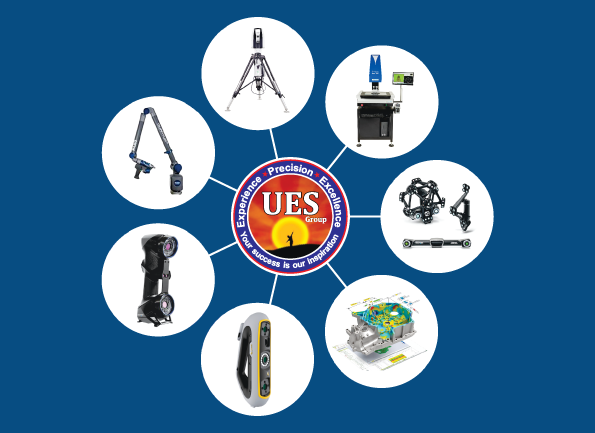

Dimensional Inspection: Ensuring Precision in Manufacturing
Dimensional inspection is the process of measuring an object’s physical characteristics—such as size, shape, and geometric tolerances—to ensure compliance with design specifications. It is critical in industries like aerospace, automotive, medical, and precision engineering.
Types of Dimensional Inspection
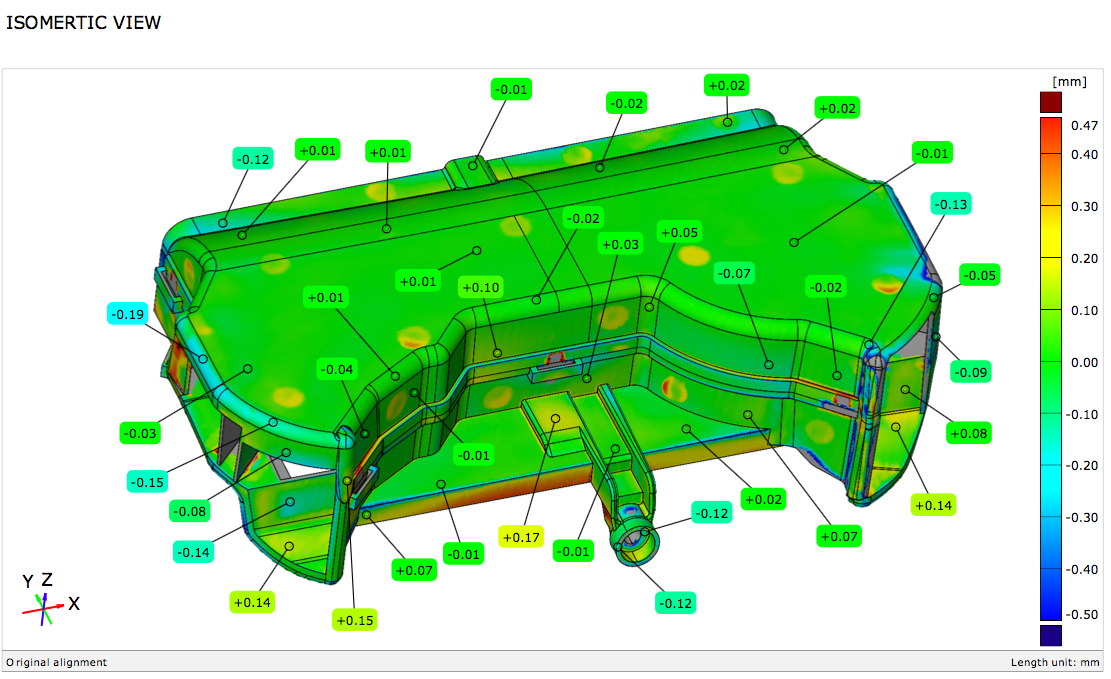
Contact Inspection (Uses physical probes or measuring tools)
- Coordinate Measuring Machines (CMMs) – Uses a probe to measure 3D dimensions with high accuracy.
- Calipers & Micrometers – Manual tools for measuring thickness, diameter, and small dimensions.
- Height Gauges & Dial Indicators – Measures vertical distances and surface deviations.
- Gauge Blocks & Pins – Standardized reference tools for calibration.
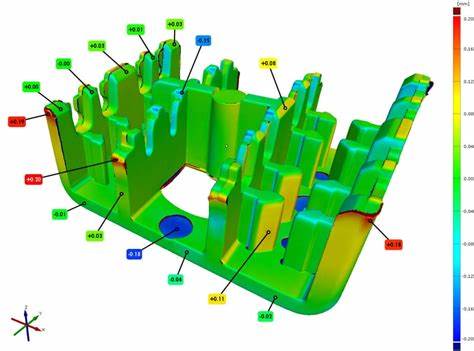
Non-Contact Inspection (Uses optical or laser-based systems)
- Vision Measurement Systems (VMS) – Uses high-resolution cameras for automated 2D inspection.
- 3D Laser Scanners – Captures precise surface geometry for CAD comparison.
- Structured Light Scanning – Uses projected patterns to create a 3D map of the object.
- Computed Tomography (CT) Scanning – X-ray-based method to inspect internal and external features.
Our Inspection Solutions
We offer a comprehensive range of Third Party 2D & 3D Inspection services, including:
Manufacturing Quality Control

Automotive & Aerospace

Medical Devices

Reverse Engineering
Captures accurate dimensions for redesign or reproduction.
