

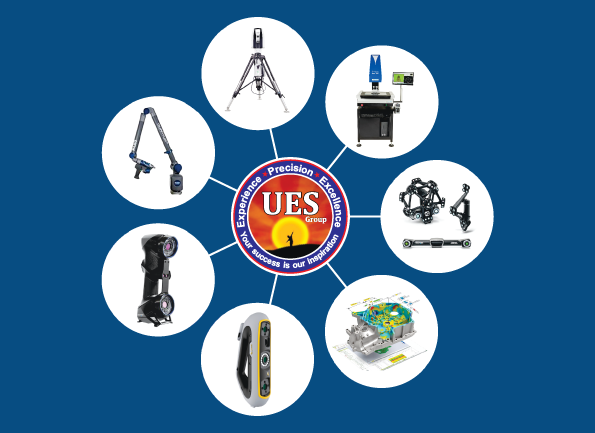

Dimensional Measurement in the Medical Industry
Dimensional measurement in the medical industry is crucial for ensuring precision, compliance, and safety in medical devices, implants, surgical instruments, and other healthcare-related components.
Types of Dimensional Inspection
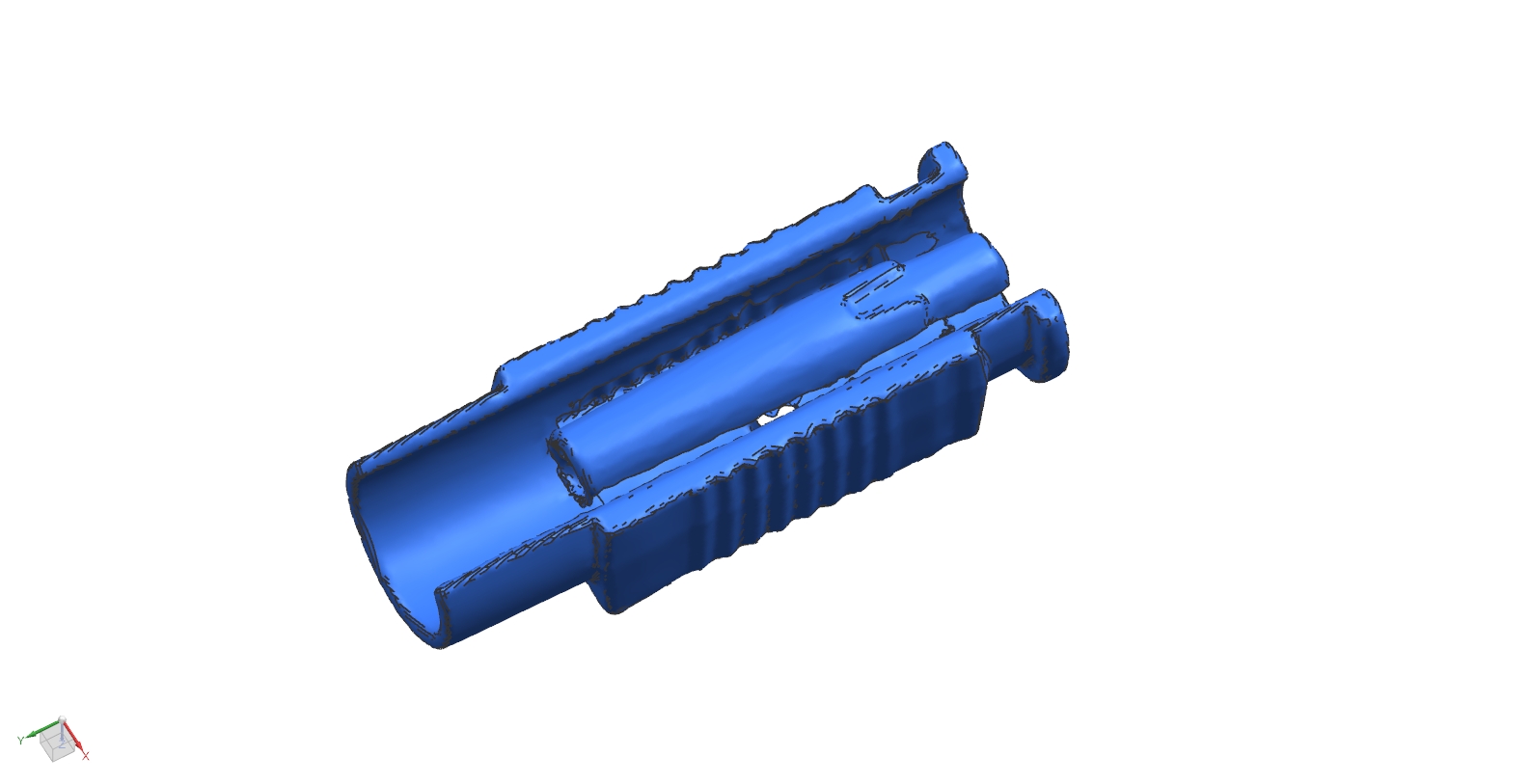
Contact Measurement Methods
- CMM (Coordinate Measuring Machine) – High-accuracy measurements of complex geometries.
- Micrometers & Calipers – Used for quick manual checks.
- Height Gauges – For vertical dimension verification.
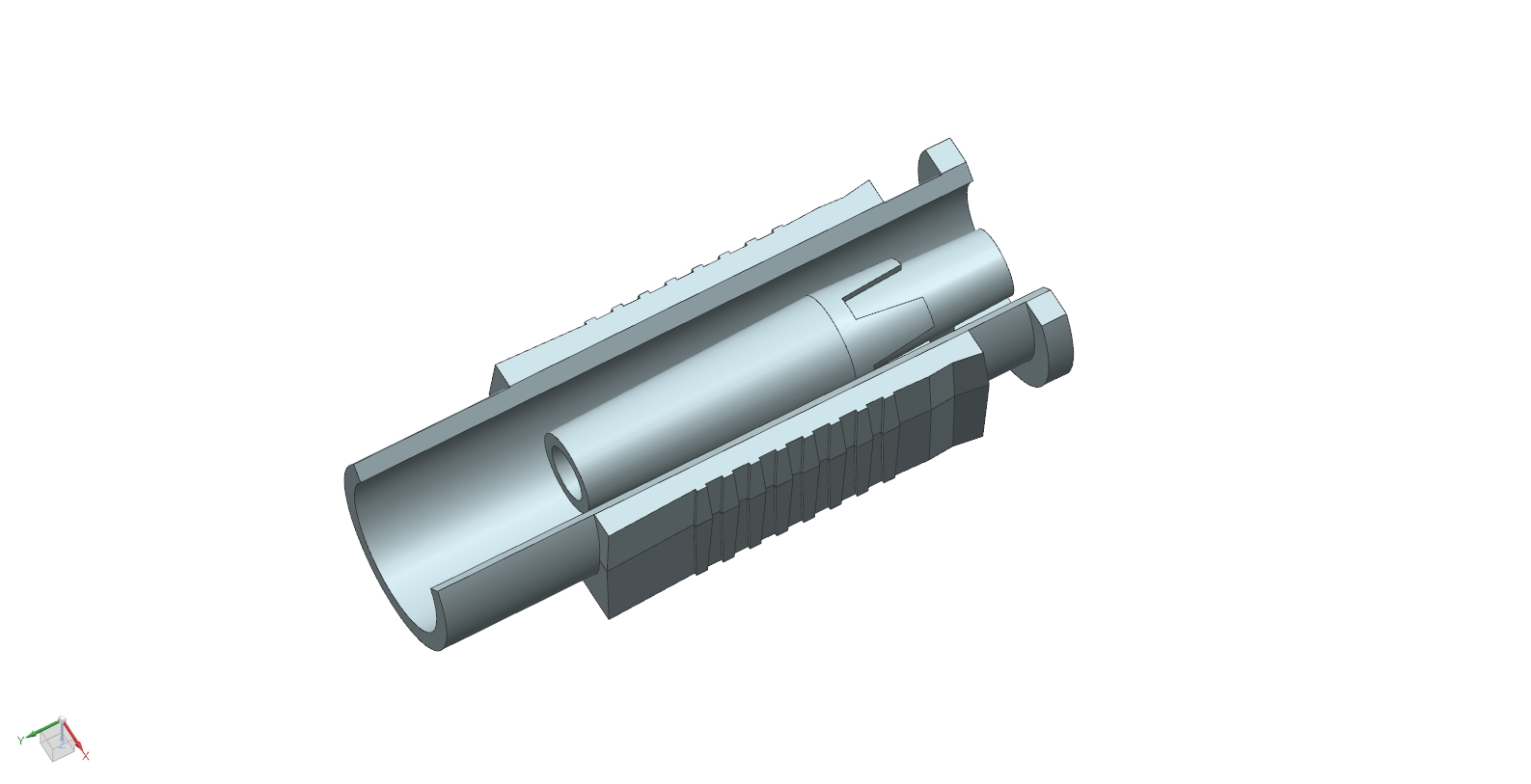
Non-Contact Inspection (Uses optical or laser-based systems)
- Optical Measurement Systems – High-speed laser or structured light scanning for precision.
- Vision Inspection Systems – AI-powered cameras for automatic defect detection.
- CT Scanning & X-ray Metrology – Internal structural analysis without disassembly.
- 3D Scanning (White Light & Blue Light Scanners) – Captures complex geometries for digital comparison.
Key Inspection Parameters
Ensuring Precision, Quality, and Compliance

External Dimensions
Length, width, height, and diameter

Wall Thickness
Critical for tubes, syringes, and implants.

Surface Profile & Roughness
Essential for implants and surgical tools.

Roundness & Cylindricity
For orthopedic implants, catheters, etc.

Feature Positioning
Ensuring hole placements, threads, and fit tolerances.
Applications in the Medical Industry
- Implants – Orthopedic, dental, and cardiovascular implants require high precision.
- Surgical Instruments – Blades, forceps, and robotic surgery tools.
- Medical Tubing & Catheters – Dimensional consistency is critical for patient safety.
- Drug Delivery Systems – Syringes, inhalers, and insulin pens require precise measurements.
- Prosthetics & Wearables – Custom-fit devices rely on accurate 3D scanning.